What Should You Feed Your Dog? | Puppy & Adult Nutrition Guide
What Should You Feed Your Dog?
A science-led guide to puppies, adult dogs, home-cooked meals and travelling with your dog
What you feed your dog has a direct impact on their health, energy levels, coat condition and overall wellbeing. Yet dog nutrition is one of the most confusing topics for many owners. Dry food, fresh food, raw diets, home-cooked meals and supplements all promise the best results, often without clear context.
This guide is built on what veterinary nutrition science consistently shows. The best diet for a dog is one that is complete, balanced and appropriate for their life stage. What works best depends on your dog’s age, size, activity level and individual needs.
The foundation of healthy dog nutrition
Across scientific and veterinary guidelines, there is strong agreement on three essential principles of feeding dogs.
First, a dog’s diet must be complete and balanced for their life stage. Puppies and adult dogs have different nutritional requirements, and feeding them the same way can lead to long-term issues.
Second, consistency matters. Sudden food changes are one of the most common causes of digestive upset in dogs.
Third, calorie intake must be appropriate. Overfeeding is a frequent issue seen in veterinary practice and can quietly affect joint health, mobility and lifespan over time.
What to feed a puppy
Puppies are not simply smaller versions of adult dogs. They grow rapidly, developing bones, muscles, organs and their nervous system at the same time. This growth phase requires carefully balanced nutrition.
Puppy food is specifically formulated to support this development. For dogs that will grow into medium or large breeds, this becomes even more important, as improper nutrition during growth can affect bones and joints later in life.
When choosing food for a puppy, it is essential to select a diet formulated for growth. For large-breed puppies in particular, veterinary guidance is strongly recommended if there is any doubt.
A useful question to ask yourself is what size your puppy is likely to be as an adult. That answer directly influences how precise growth nutrition needs to be.
What to feed an adult dog
Once a dog reaches adulthood, nutritional goals shift from growth to maintenance. The focus becomes stable energy levels, healthy weight, good digestion and long-term wellbeing.
Two practical indicators help you evaluate whether your dog’s diet is working well. The first is body condition. You should be able to feel your dog’s ribs lightly without them being sharply visible. The second is coat and stool quality, which often reflect nutritional balance early on.
Adult dogs thrive on routine. A consistent, high-quality diet matched to their activity level is usually more beneficial than frequent changes or trends.
Can you cook for your dog yourself?
Yes, it is possible to cook for your dog, and for many owners it becomes a meaningful part of daily care. Dogs often enjoy home-cooked food, and when done correctly it can support digestion and appetite.
However, veterinary nutrition research is very clear on one point. Home-cooked diets can easily become nutritionally imbalanced, especially when fed long-term or to puppies, unless they are professionally formulated.
A safe and widely recommended approach is to use home-cooked food as a topper. This means adding a small portion to a complete and balanced base diet. Another option is following a recipe developed by a veterinarian or board-certified veterinary nutritionist.
Before cooking regularly, it helps to ask yourself whether you plan to cook occasionally as an addition or whether you intend to fully replace commercial food. The second option requires expert guidance to avoid deficiencies over time.
Home-cooked ingredients dogs commonly tolerate well
When prepared plainly and in moderation, certain human foods are often used safely as additions to a dog’s diet.
Vegetables and fruits that are commonly well tolerated include carrots, pumpkin, green beans and blueberries. These should always be served plain, without seasoning.
Lean proteins such as chicken, turkey and beef can be used when fully cooked, without bones, skin or spices.
Simple carbohydrates like rice or sweet potato may be suitable for some dogs, depending on tolerance.
It is important to remember that healthy ingredients alone do not equal a complete diet. The most common risk with home cooking is missing essential micronutrients such as calcium and trace minerals over time.
Foods dogs should never eat
Some foods are well established as unsafe for dogs and should always be avoided. These include grapes and raisins, onion, garlic and related vegetables, chocolate, xylitol and alcohol.
If your dog accidentally ingests any of these, it is important not to wait for symptoms but to contact a veterinarian immediately.
Feeding your dog while travelling
When travelling with your dog, nutrition should remain as familiar as possible. Changes in environment are already stressful, and maintaining the same food helps reduce digestive issues.
Dry dog food is generally allowed in hand luggage when flying, though security screening rules may apply. For international travel, destination-specific regulations should always be checked in advance.
Keeping food and essentials organised makes travel easier. Packing measured portions, a foldable bowl and wipes helps maintain routine on the go.
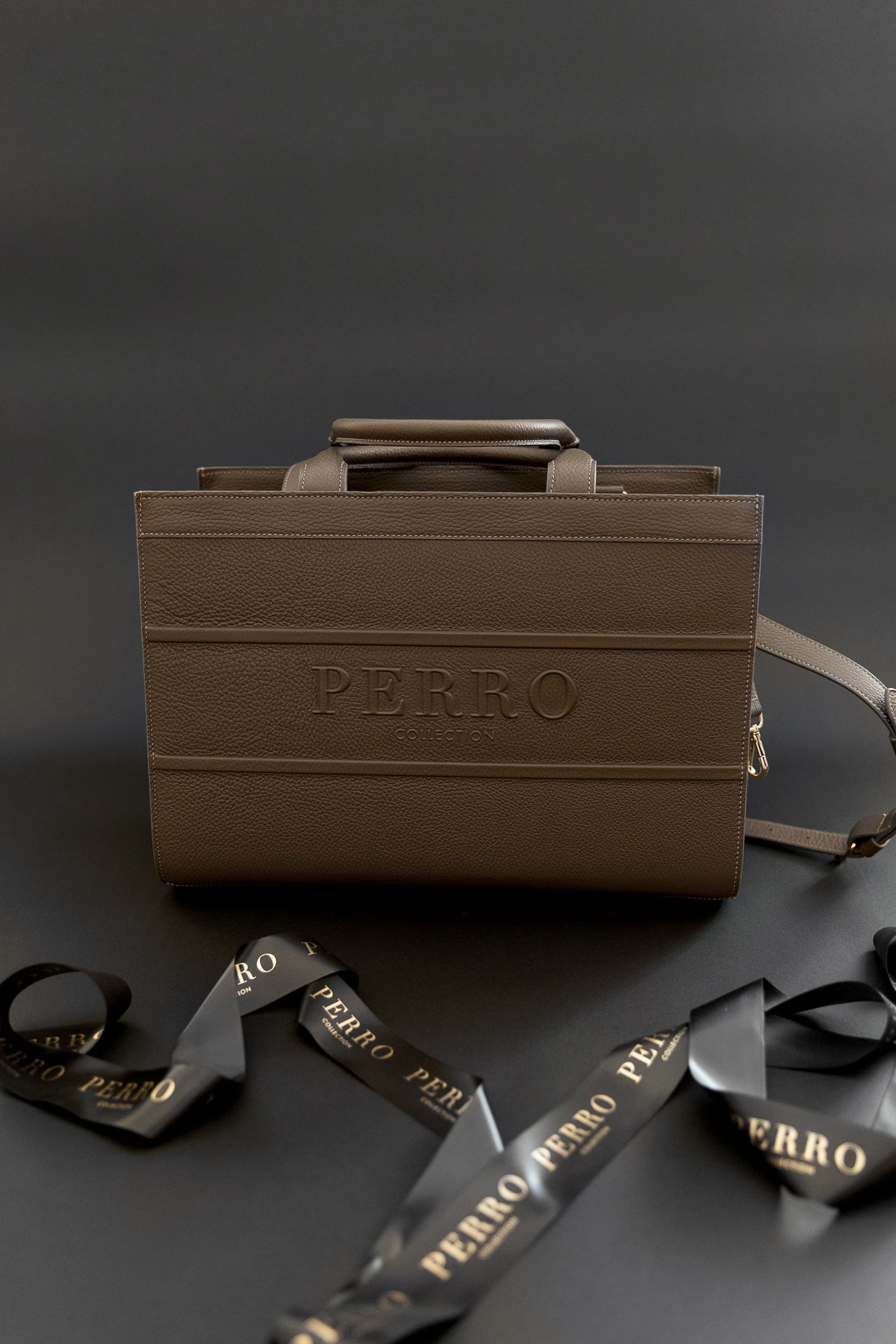
For practical and elegant organisation, many owners choose a dedicated travel bag. The Perro Travelbag is designed to carry food, bowls and daily essentials in one place. https://perrocollection.com/collections/bags
For longer journeys or international trips, keeping documents organised is just as important. A dedicated passport holder helps ensure that travel paperwork is always within reach. https://perrocollection.com/collections/passport-holders
Conclusion
There is no single best food for every dog. The healthiest approach is one that matches nutrition to your dog’s life stage, supports long-term balance and respects consistency.
Puppies require food formulated for growth. Adult dogs benefit from stable maintenance nutrition. Home-cooked food can be a valuable addition when used thoughtfully. When travelling, keeping food familiar helps your dog stay comfortable and settled.
Feeding your dog well is not about perfection. It is about informed choices, balance and care, day after day.
Read more

Discover the handcrafted H-Harness or Y-Harness by Perro Collection. Made in Italy from premium Italian leather for perfect comfort, balance, and control. Designed with soft edges, elegant ergonomi...
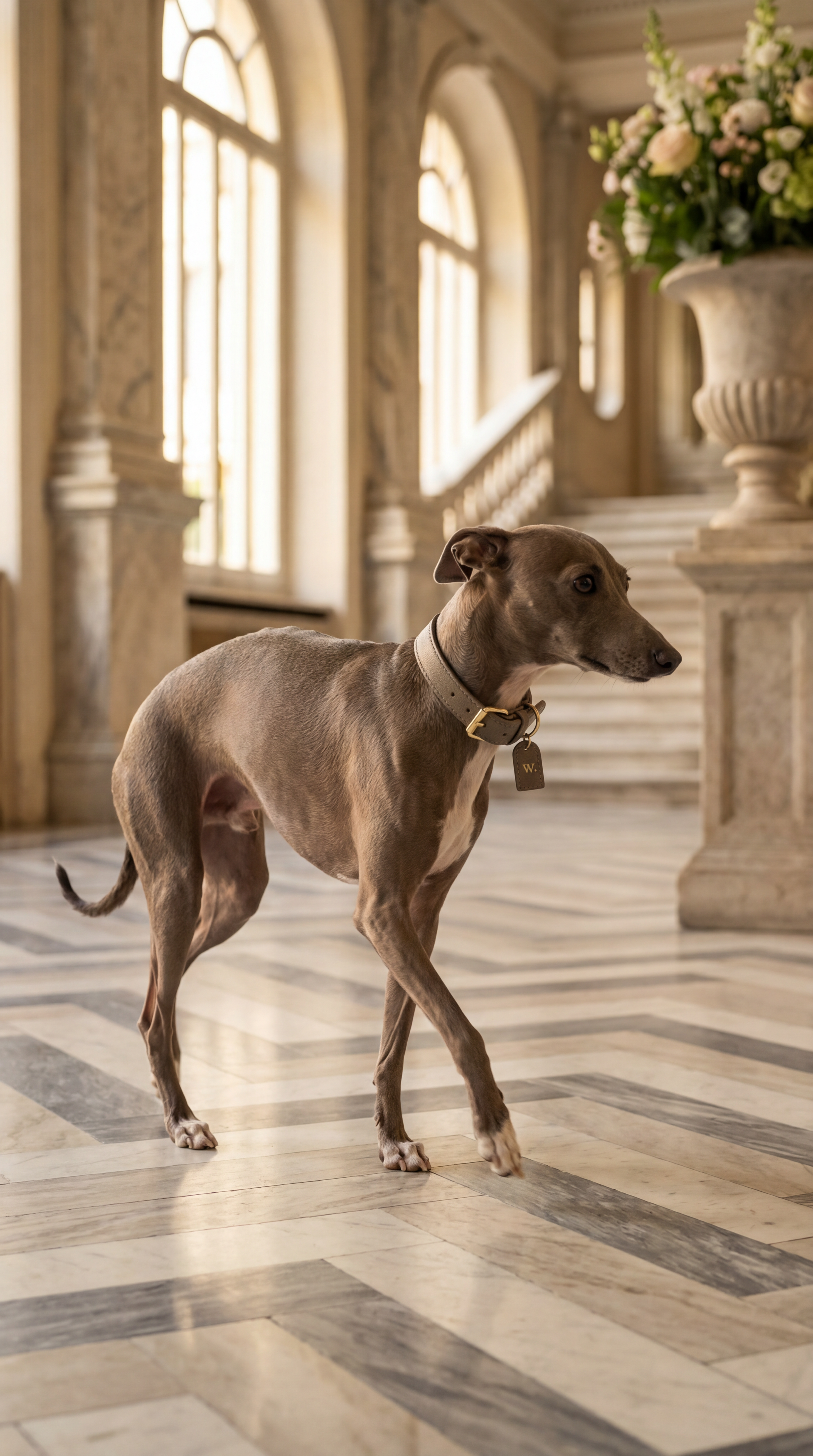
Milan's finest five-star hotels don't just tolerate dogs, they've built entire programs around them. From the Bvlgari Pet Club's designer beds and 4,000m² garden to the Armani Hotel's no-weight-lim...
Our collections
Discover Collections


Leave a comment
All comments are moderated before being published.
This site is protected by hCaptcha and the hCaptcha Privacy Policy and Terms of Service apply.